
Celebz News
FintechZoom.com Crypto News: Bitcoin, Altcoins & Blockchain Updates


Why Choose FintechZoom.com for Crypto News?
So, what makes this platform special? First, FintechZoom.com crypto news cuts through all the noise. It focuses on the facts that matter to American investors. It delivers trusted crypto insights for both new buyers and seasoned pros.
You get the important news without the confusing hype. This helps you understand the crypto market analysis clearly. It’s a smart choice when you want reliable information for your financial decisions.
Key Features of FintechZoom.com Crypto News
Ready to look under the hood? This platform is packed with cool tools and great content. You get benefits like real-time data streams and deep reporting. These features are why it’s a go-to crypto source for many.
These tools are built to help you. You can easily track altcoin price movements and learn about new fintech and blockchain technology. It simply makes your crypto research much easier.
Real-Time Market Analysis
This part is awesome for active traders. FintechZoom crypto gives you market charts and data right now, not later. You can see price changes as they happen. This real-time analysis helps you make quick, smart decisions. It’s a key tool for building your crypto trading strategies.

Expert Opinions and Insights
This platform is not just about numbers; it’s about people. FintechZoom.com features articles from industry experts and finance veterans. You get seasoned opinions, not just headlines. This helps you understand the why behind the market moves. It’s a deeper kind of crypto market analysis.
Critical Regulatory Updates
For any US investor, this is a must-read. The platform covers the latest crypto legislation and news from the SEC. This information is critical. It helps you stay compliant and see big cryptocurrency regulation 2025 changes before they happen.
Educational Resources for All Levels
This feature is all about helping you learn and grow. FintechZoom.com provides simple guides and glossaries. They explain complex topics like DeFi and blockchain in easy English. This helps beginners get started safely. It also helps pros stay sharp on new trends.
Latest Crypto Market Trends on FintechZoom
Let’s talk about what’s happening right now. FintechZoom.com crypto news is fantastic at covering the hottest topics. It identifies and explains emerging crypto trends early, often before they hit the mainstream.
You’ll find deep articles on decentralized finance news and vital blockchain security news. The site also does a great job explaining the rise of institutional crypto adoption. This is how you stay ahead of the curve.
Unpacking DeFi and Stablecoin Movements
The world of decentralized finance (DeFi) can seem complex. FintechZoom’s reporting breaks it down so anyone can understand it. It also analyzes the importance of stablecoins in today’s economy. This is key fintech and blockchain technology news for modern investors.
The Future of NFTs and Metaverse News
This is where it gets really exciting! FintechZoom covers the cutting edge of digital assets. This includes deep NFT market analysis and new metaverse developments. It proves the platform is forward-thinking. It’s not just bitcoin price trends; it’s about what’s next.
How FintechZoom Enhances Trader and Investor Decisions
So, how does this all help you make better choices? This platform connects the dots. A trader can use FintechZoom’s market analysis to spot a new opportunity. You might see new altcoin price movements before they take off.
For long-term investors, the site is just as valuable. You can use the regulatory news to manage your risk. You’ll understand crypto market volatility better. This helps you protect your portfolio and your digital asset market cap.
Comparison With Competitors
It’s smart to see how FintechZoom.com crypto news stacks up. Readers in the USA want speed, accuracy, and a good user experience. Let’s check it against two of the biggest names in the game.
Here is a simple table to show the main differences.
| Feature | FintechZoom.com Crypto News | CoinDesk | Cointelegraph |
| Main Focus | Broader Financial Data & Market News | Institutional News & Policy | Crypto Culture & Industry News |
| User Interface | Often clean, data-focused | Very professional, dense | Stylized, can be busy |
| Best For (USA) | Investors needing quick data | Policy-watchers, institutions | Crypto-native enthusiasts |
| TopicsMonitor** | Stocks, Fintech, Crypto | Deep Blockchain Policy | NFTs, Metaverse, People |
FintechZoom vs. CoinDesk: A Head-to-Head Look
Let’s do a quick comparison. CoinDesk is a giant, for sure. It’s great for deep policy news. But FintechZoom crypto often gives a broader view. It connects crypto to fintech stock updates and the rest of the market. Its interface is often cleaner for US users who just want the facts fast.
How FintechZoom Crypto Stacks Up Against Cointelegraph
Cointelegraph is famous for its art and crypto-culture news. It’s a fun read! But fintechzoom.com crypto news is different. It’s less about culture and more focused on actionable financial data. Many US investors prefer this direct, numbers-first approach.
How to Use FintechZoom Effectively
Want some pro-tips? You can use this site in very smart ways. Don’t just read the headlines. Use their educational guides to finally learn about a complex topic like ethereum blockchain news.
Also, be sure to cross-reference what you learn. Read the expert opinions on a coin. Then, look at the real-time charts. This helps you build your own solid crypto trading strategies.
Future Outlook for Crypto News Platforms
What’s next for crypto media? The future is all about AI-driven insights. News will become more personalized. This will help reduce fears about crypto market volatility by giving you instant, clear context.
FintechZoom.com seems perfectly ready for this change. It already focuses on data. It is in a great spot to lead. It will likely add more tech to cover crypto mining news and blockchain security news even better.
FAQs
What is FintechZoom’s approach to crypto news?
FintechZoom’s approach is to cut through the hype by delivering trusted, fact-based crypto insights and analysis, focusing on what’s important for US investors.
Which crypto has 1000x potential?
The article doesn’t provide specific crypto picks or predictions. It’s a guide to the news platform itself, not an investment advisory service.
Is FintechZoom crypto news free?
The platform appears to have both. Research indicates there is a basic, free version of FintechZoom.com, as well as a paid “FintechZoom Pro” subscription for advanced tools and data.
What’s the next big crypto to explode?
Similar to the “1000x” question, the article does not make predictions on which crypto will “explode.” It focuses on how you can use the platform’s data and news to make your own decisions.
Conclusion
So, that’s the full tour! As you can see, FintechZoom.com crypto news is a powerful and reliable tool. It’s especially helpful for US investors who want clear facts. It cuts through the hype and delivers trusted crypto insights that you can act on.
From its real-time data to its deep crypto market analysis, it helps you make smarter choices. By using its expert views and regulatory updates, you can navigate the market with more confidence. It’s a top choice for tracking the digital asset market cap and your own portfolio.
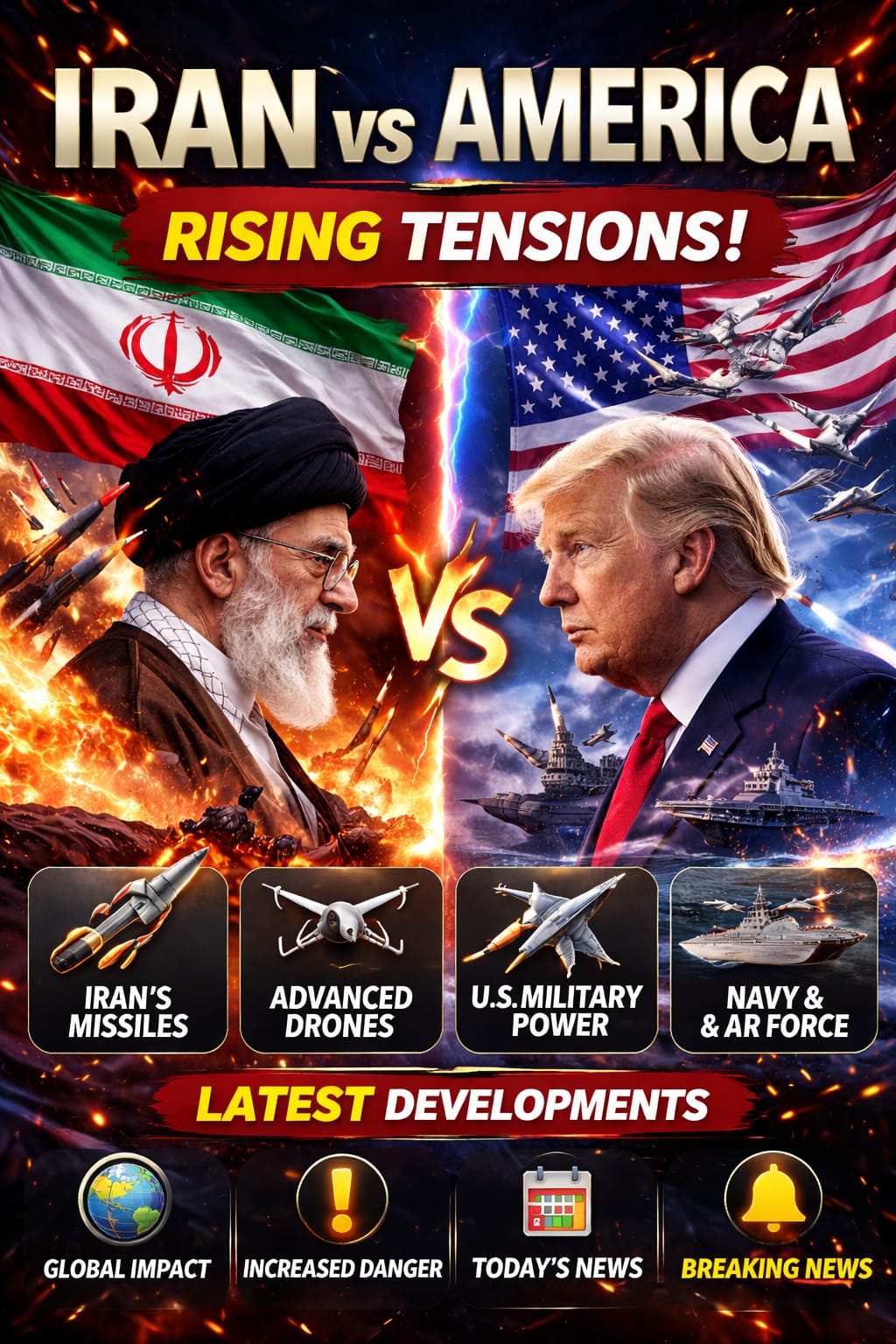
The Current Landscape of the US-Iran Conflict
If you are searching for Iran war news today, the situation has moved beyond isolated kinetic strikes into a complex, high-stakes standoff. The geopolitical theater in the Middle East is currently dominated by a tense, temporary pause in active combat, replaced by aggressive economic warfare.
This conflict is no longer just a distant military operation; it is a global economic event. From skyrocketing Brent crude prices to widespread shipping delays across the Middle East, the fallout is reaching local fuel pumps and global supply chains alike.
Our live coverage breaks down the military maneuvers, the diplomatic negotiations, and the exact ways this crisis will impact your wallet, your business, and the global economy.
What is Operation Epic Fury?
Operation Epic Fury is the official U.S. military campaign directed by Secretary of War Pete Hegseth and overseen by the Department of War. Its primary objective is to economically isolate Tehran through a comprehensive naval blockade of Iranian ports.
Unlike previous engagements that relied heavily on drone or missile strikes, Operation Epic Fury leverages the massive presence of the United States Central Command (CENTCOM). Thousands of U.S. service members and dozens of warships are currently deployed in the Persian Gulf and the Gulf of Oman.
The overarching goal is to completely halt the illicit smuggling of Iranian oil and the inward flow of military materiel. By choking off Iran’s economic lifeline, the U.S. aims to force the Iranian government to surrender its stockpile of highly enriched uranium.
How the Naval Blockade Actually Works
A common misconception is that the U.S. has closed the Strait of Hormuz. In reality, under international maritime law, the U.S. is enforcing a targeted coastal blockade, allowing neutral international shipping to pass through the broader strait while restricting access to Iran’s coast.
This blockade is enforced under the direction of military leaders, including Chairman of the Joint Chiefs of Staff Gen. Dan Caine, using a rigorous protocol known as VBSS operations.
VBSS (Visit, Board, Search, and Seizure) Operations:
- Radar Identification: U.S. and allied naval intelligence track commercial and military vessels approaching Iranian territorial waters.
- Radio Hailing: The U.S. military hails the suspect vessel, demanding its manifest and ordering it to alter its course.
- Interception: If the vessel fails to comply, U.S. fast-attack boats and helicopters intercept the ship.
- Boarding and Seizure: Armed naval teams board the vessel to search for sanctioned oil, weapons, or currency. Non-compliant ships are seized and redirected to allied ports.
The April 22 Ceasefire: Factions, Demands, and Risks
Active combat has been temporarily paused by a fragile ceasefire set to expire on April 22, 2026. The world is watching this deadline closely, as failure to reach a diplomatic agreement will likely trigger a rapid escalation in regional violence.
Diplomatic mediation is currently being spearheaded by Pakistan. Their diplomats are working around the clock to bridge the massive gap between Western demands and Iranian sovereignty claims.
Below is a breakdown of the primary factions involved in the current ceasefire negotiations and their rigid demands:
| Nation / Entity | Primary Diplomatic & Military Objective | Current Stance on the April 22 Deadline |
| United States | Complete surrender of highly enriched uranium. | Will resume kinetic strikes and tighten the blockade if demands are not met. |
| Iran | Immediate lifting of Operation Epic Fury sanctions. | Refuses to surrender nuclear material; threatens to target foreign vessels in the Gulf. |
| Israel | Neutralization of the IRGC and Hezbollah proxy groups. | Conducting preemptive strikes in Lebanon; demands total nuclear disarmament. |
| Pakistan | Preventing a wider regional war and refugee crisis. | Acting as the primary mediator; pleading for a 45-day extension to the ceasefire. |
Israel’s Role and Parallel Operations
While the U.S. manages the naval blockade, Israel is deeply involved in securing its northern borders. The Israeli military views Iran’s nuclear capabilities as an existential threat and has used this period to aggressively target Iran’s proxy groups.
Specifically, Israel is conducting kinetic strikes against Hezbollah strongholds in Lebanon. These operations aim to cripple the Islamic Revolutionary Guard Corps (IRGC) supply lines, ensuring that if the April 22 ceasefire fails, Iran will have fewer regional allies capable of launching coordinated attacks.
Oil Prices and Global Supply Chains
The US-Iran conflict live updates are driving massive volatility in the global financial sector. The Persian Gulf and the Strait of Hormuz are critical arteries for global energy, handling nearly 20% of the world’s daily oil consumption.
Because commercial maritime insurance protocols for entering the Gulf of Oman have become prohibitively expensive, many shipping conglomerates are refusing to enter the region. Consequently, Brent crude oil prices have surged well past $100 per barrel.
The disruption is not limited to crude oil; Liquefied Natural Gas (LNG) shipments are also facing massive delays. As a result, energy grids in Europe and Asia are scrambling to secure alternative contracts ahead of the Q2 and Q3 2026 financial quarters.
Rerouting via the Cape of Good Hope
To avoid the risk of seized vessels or accidental strikes, major shipping lines are rerouting their fleets around the southern tip of Africa.
Pros and Cons of Cape of Good Hope Rerouting:
- Pros: Guarantees the safety of the crew, avoids exorbitant war-risk insurance premiums, and bypasses the active military zones in the Middle East.
- Cons: Adds 10 to 14 days to global transit times, burns millions of dollars in extra fuel per voyage, and creates massive port congestion in alternative hubs.
Local Impact: How This Affects Your City and Wallet
You do not need to work in international logistics to feel the impact of Operation Epic Fury. Everyday consumers searching for “gas prices near me” are already seeing the macroeconomic fallout translated to local retail costs.
1. Skyrocketing Fuel Prices
Because the global oil supply is artificially constricted by the Strait of Hormuz blockade, localized fuel costs are jumping. Industry experts project that the national average for gasoline will easily exceed $4.50+ per gallon if the ceasefire collapses.
2. Grocery and Retail Inflation
Supply chain delays mean that consumer goods, electronics, and agricultural imports are arriving late and costing more to ship. Local retailers are forced to pass these increased freight costs directly to the consumer, sparking fears of a renewed wave of massive inflation.
3. Flight Cancellations and Travel
If you are flying internationally, expect disruptions. The U.S. State Department has issued severe travel advisories, and commercial airlines are heavily restricting airspace over the Middle East. Many local airports have posted indefinite cancellations for connecting flights through the region.
4. Local Diaspora Impacts
In major metropolitan areas, local Iranian-American and diaspora communities are organizing. Consumers searching for “local protests near me” will find peaceful demonstrations calling for humanitarian aid, civilian protection, and a de-escalation of the conflict.
Business Survival Guide: Navigating Q2/Q3 2026 Disruptions
Business owners tracking Iran ceasefire updates must prepare for worst-case scenarios. If your company relies on international logistics, waiting for the April 22 deadline is a dangerous strategy.
Use the following decision framework to protect your operations:
- Audit Your Freight Exposure: Identify immediately if any of your inbound raw materials or outbound products transit through the Gulf of Oman or the Red Sea.
- Review Maritime Insurance: Commercial maritime insurance protocols are shifting daily. Ensure your freight forwarders have secured “war risk” coverage, or legally mandate that they route around the Cape of Good Hope.
- Implement Fuel Hedging: With Brent crude volatility, local delivery fleets will suffer. Lock in fuel hedging contracts now to stabilize your transportation budgets for the remainder of the year.
- Diversify Sourcing: Pivot away from Asian suppliers that rely on Middle Eastern transit routes. Look to near-shoring options in Mexico or South America to shorten your supply chain footprint.
Entity Glossary: Understanding the Terminology
To fully grasp the depth of the Iran war news today, it is essential to understand the key players, locations, and concepts driving the conflict.
- CENTCOM: United States Central Command; the geographic command responsible for U.S. military operations across the Middle East.
- Department of War: The executive branch department of the U.S. government overseeing all military actions, currently led by Secretary Pete Hegseth.
- Highly Enriched Uranium: Uranium processed to a purity level capable of being used in nuclear weapons. Surrendering this is the primary U.S. demand.
- IRGC: The Islamic Revolutionary Guard Corps; a powerful branch of the Iranian Armed Forces that supports regional proxy groups.
- Operation Epic Fury: The official codename for the current U.S. naval blockade of Iranian ports and coastal waters.
- Strait of Hormuz: The narrow maritime chokepoint between the Persian Gulf and the Gulf of Oman, critical for global oil transport.
- VBSS Operations: Visit, board, search, and seizure; the maritime boarding procedures used by the U.S. Navy to enforce the blockade.
7 Frequently Asked Questions (FAQs)
Is the U.S. currently at war with Iran?
The United States and Iran are engaged in severe military and economic hostilities, though active combat is paused under a temporary ceasefire. The U.S. is enforcing Operation Epic Fury, a massive naval blockade, making it a highly volatile conflict just short of an all-out declared war.
When does the Iran ceasefire end?
The current, fragile ceasefire between the U.S., Israel, and Iran is scheduled to expire on April 22, 2026. If an agreement is not reached by this deadline, kinetic military strikes are expected to resume immediately.
Why is Pakistan mediating the U.S.-Iran conflict?
Pakistan shares a border with Iran and maintains strategic diplomatic ties with both Tehran and Washington. As a neutral third party in this specific dispute, Pakistan is desperately trying to mediate a 45-day extension to prevent a regional war that could trigger a massive refugee crisis on its borders.
Will gas prices go up because of Iran?
Yes. Global oil markets are highly sensitive to disruptions in the Strait of Hormuz. With Brent crude already pushing past $100 a barrel due to the naval blockade, local gas prices are projected to rise significantly, potentially averaging over $4.50+ per gallon nationwide.
What is the difference between a blockade and closing the Strait of Hormuz?
Closing the Strait of Hormuz entirely would illegally block all global shipping, including neutral nations. The U.S. naval blockade strictly targets Iranian territorial waters and ports, intercepting only ships suspected of smuggling Iranian oil or weapons.
How does the US naval blockade on Iran work?
The U.S. Navy uses radar and intelligence to track vessels approaching Iran. They hail the ships via radio. If the ships refuse to turn around, military personnel conduct VBSS (visit, board, search, and seizure) operations, physically boarding the vessels to secure them.
What is the impact of the Iran war on global supply chains?
The impact is severe. Because shipping vessels must avoid the conflict zone, they are rerouting around the Cape of Good Hope. This adds weeks to transit times, burns massive amounts of fuel, increases freight costs, and causes delays for consumer goods worldwide.
Conclusion
Staying updated on the Iran war news today requires looking past the 24-hour news tickers to understand the profound macroeconomic shifts at play. The fate of Operation Epic Fury and the impending April 22 ceasefire will dictate the trajectory of global markets for years to come.
Whether you are a consumer bracing for local inflation at the grocery store, or a business owner desperately reconfiguring your supply chains, the realities of this conflict are unavoidable. The U.S. demands for nuclear disarmament remain steadfast, and Iran shows no signs of conceding its sovereignty. As diplomatic mediations enter their final hours, the world must prepare for the very real possibility of a prolonged, escalating conflict in the Middle East.
Celebz News
Department of Justice Publishes 3.5 Million Responsive Pages in Compliance with the Epstein Files Transparency Act

WASHINGTON – The Department of Justice today published over 3 million additional pages responsive to the Epstein Files Transparency Act, which was signed into law by President Trump on November 19, 2025.
More than 2,000 videos and 180,000 images are included in today’s additional publication. Combined with prior releases, this makes the total production nearly 3.5 million pages released in compliance with the Act.
These files were collected from five primary sources including the Florida and New York cases against Epstein, the New York case against Maxwell, the New York cases investigating Epstein’s death, the Florida case investigating a former butler of Epstein, Multiple FBI investigations, and the Office of Inspector General investigation into Epstein’s death.
The Department erred on the side of over-collecting materials, and any materials not produced fall within one of the following categories:
- Duplicate documents between SDNY and SDFL investigations.
- Withheld under privilege – deliberative process privilege, attorney client privilege.
- Withheld based upon exceptions under the act (depictions of violence);
- Items that are not part of the case file for Epstein or Maxwell and were completely unrelated to these cases.
More than 500 attorneys and reviewers from the Department contributed to this effort. In addition, the United States Attorney’s Office for the Southern District of New York (USAO-SDNY) employed an additional review protocol to ensure compliance with a Court order requiring United States Attorney Jay Clayton to certify that no victim identifying information would be produced unredacted as part of the public production.
Through the process, the Department provided clear instructions to reviewers that the redactions were to be limited to the protection of victims and their families. Some pornographic images, whether commercial or not, were redacted, given the Department treated all women in those images as victims. Notable individuals and politicians were not redacted in the release of any files.
This production may include fake or falsely submitted images, documents or videos, as everything that was sent to the FBI by the public was included in the production that is responsive to the Act. Some of the documents contain untrue and sensationalist claims against President Trump that were submitted to the FBI right before the 2020 election. To be clear, the claims are unfounded and false, and if they have a shred of credibility, they certainly would have been weaponized against President Trump already.
To access the full letter the Justice Department sent to Congress today, visit:
https://www.justice.gov/letter-to-congress.pdf
To access all files produced, visit: https://www.justice.gov/epstein
Celebz News
World’s Richest Person in 2026: Elon Musk and the Top 5 Billionaires from the United States

Elon Musk is the world’s richest person with an estimated net worth of $755 billion as of February 2026. The top five richest people are all American tech leaders, underscoring U.S. dominance in innovation-driven wealth.


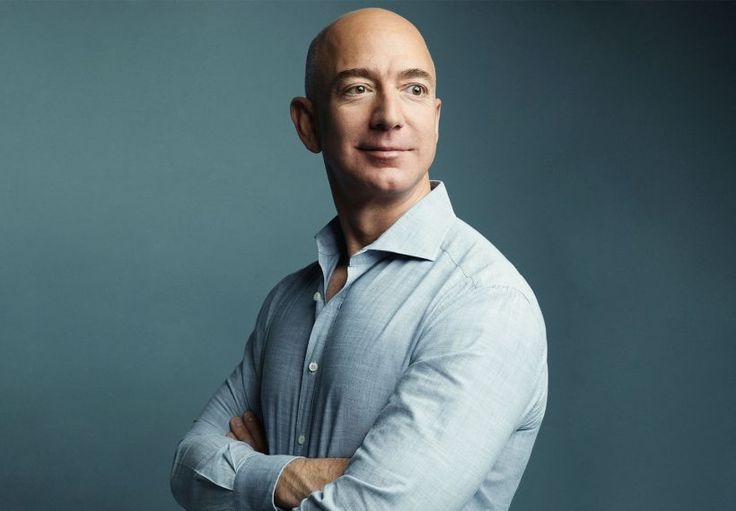


Right now, in February 2026, Elon Musk sits comfortably at the top of global wealth rankings. His fortune has surged past previous records, largely thanks to soaring valuations of private companies like SpaceX and the rapid growth of xAI in the artificial intelligence space.
What stands out most is that the entire top five richest individuals are based in the United States, all tied to groundbreaking technology companies. This concentration highlights America’s continued leadership in tech innovation, from AI and cloud computing to space exploration and e-commerce.
The Current Top 5 Richest People in the World
Net worth figures change daily due to stock market movements and private company valuations. The estimates below draw from real-time trackers like the Forbes Billionaires List and Bloomberg Billionaires Index, updated as of early February 2026.
| Rank | Name » Primary Wealth Source | Estimated Net Worth | Key Companies | Nationality |
| 1 | Elon Musk » SpaceX (private valuation) | $755 billion | SpaceX, Tesla, xAI | USA |
| 2 | Larry Page » Alphabet shares | $275 billion | Google/Alphabet | USA |
| 3 | Jeff Bezos » Amazon stakes | user $268 billion | Amazon, Blue Origin | USA |
| 4 | Larry Ellison » Oracle ownership | $260 billion | Oracle | USA |
| 5 | Sergey Brin » Alphabet shares | $255 billion | Google/Alphabet | USA |
These self-made tech moguls have built empires that dominate modern life. Their wealth reflects massive growth in their companies over the past decade, accelerated by the AI boom and digital transformation.
Elon Musk: The Clear No. 1 Richest Man
Elon Musk’s lead is unprecedented. Much of his fortune comes from SpaceX, valued at over $350 billion in recent funding rounds, combined with strong Tesla performance and the rising profile of xAI.
A single strong day in Tesla stock or positive news about Starlink expansions can add billions overnight. This volatility keeps him firmly ahead of the pack, far surpassing the combined wealth of the next few spots in some calculations.
How Billionaire Net Worth Is Calculated
Tracking ultra-high net worth isn’t simple. Major lists use similar but not identical methods:
- Start with public stock holdings, using current market prices.
- Add estimated values for private companies, based on recent investments or comparable public firms.
- Include other assets like real estate or cash.
- Subtract known debts.
- Update daily or in real time for major changes.
Both Forbes and Bloomberg follow this process, but differences arise in private company estimates.
Forbes vs. Bloomberg: Why the Numbers Sometimes Differ
You’ll notice slight variations between sources. Here’s a quick comparison:
| Aspect | Forbes Approach | Bloomberg Approach |
| Private company valuations | Often higher, based on investor input | More conservative estimates |
| Update frequency | Real-time list with daily adjustments | Daily index with market-focused data |
| Debt and liabilities | Detailed deductions | Similar, but varies by reporting |
| Overall Musk estimate (Feb 2026) | Tends higher ($750B+) | Slightly lower but still dominant |
For example, SpaceX valuations can swing billions depending on whether recent funding rounds or future potential is weighted more heavily. These discrepancies explain why rankings occasionally shift day to day.
Why Are All Top 5 Billionaires American Tech Leaders?
This American sweep at the top is no coincidence. Several factors drive it:
- The U.S. hosts the world’s largest stock markets, making it easier for tech companies to grow massive valuations.
- Heavy investment in AI, cloud computing, and emerging tech has boosted companies like Alphabet, Amazon, and Oracle.
- Entrepreneurial ecosystem in places like Silicon Valley fosters innovation and massive exits.
- Regulatory environment supports rapid scaling compared to some global competitors.
In the Forbes 400 list of richest Americans, these same names dominate the very top spots, showing how U.S. tech wealth now leads globally.
The Role of AI and Private Companies in Modern Wealth
Private holdings play a huge role today. Unlike past billionaires tied mostly to public stocks, Musk’s fortune relies heavily on SpaceX—a company not traded publicly but valued extraordinarily high due to government contracts and Starship progress.
Similarly, the AI surge has lifted Alphabet shares for Page and Brin, while Oracle benefits from cloud and database dominance in the enterprise space.
Fluctuations and Risks: Wealth Isn’t Guaranteed
These fortunes aren’t locked in. A market downturn, regulatory challenge, or failed launch can erase tens of billions quickly.
For instance, Tesla stock dips have temporarily narrowed Musk’s lead in the past. Private valuations also carry risk—if investor sentiment shifts, estimates drop fast.
This volatility reminds us that today’s rankings could look different in a month.
Future Outlook: Approaching the Trillion-Dollar Mark
Many analysts predict Elon Musk could become the world’s first trillionaire within years, driven by SpaceX’s potential in satellite internet and Mars ambitions.
Others in the top five, especially the Google co-founders, could climb higher if AI advancements continue accelerating Alphabet’s growth.
Challenges like global competition from China or regulatory scrutiny on Big Tech could shake things up.
Why This Concentration of Wealth Matters
The fact that five American tech entrepreneurs hold such massive fortunes signals U.S. strength in innovation and economic power.
It also sparks broader discussions about wealth inequality, the influence of tech giants, and the need for balanced growth that benefits more people.
Many of these billionaires engage in significant philanthropy—Musk through various initiatives, Bezos via the Bezos Earth Fund, and Page and Brin through focused giving on science and health.
How to Stay Updated on Real-Time Billionaire Rankings
Want to track changes yourself?
- Check Forbes Real-Time Billionaires list daily.
- Use the Bloomberg Billionaires Index for an alternative view.
- Follow financial news for major stock movements in Tesla, Alphabet, Amazon, or Oracle.
These tools provide the most current snapshots available to the public.
Frequently Asked Questions
Who is the richest person in the world right now?
Elon Musk, with around $755 billion as of February 2026.
How much is Elon Musk worth today?
Estimates place him at approximately $755 billion, though it fluctuates daily.
Is Elon Musk still the richest person?
Yes, he maintains a substantial lead over the second place.
Who is richer, Elon Musk or Jeff Bezos?
Musk is significantly richer, with nearly three times Bezos’s net worth.
Why are the top billionaires all American?
U.S. leadership in tech sectors like AI, cloud computing, and space, plus access to massive capital markets, drives this dominance.
Has anyone reached 1 trillion net worth yet?
No, but Elon Musk is on track to potentially become the first in the coming years.
Who will be the richest person in 2030?
Many forecasts point to Musk, assuming continued growth in SpaceX and AI ventures.
How does Forbes calculate billionaire wealth?
They combine public stock values, private company estimates from investors, and other assets minus debts.
What is the difference between Forbes and Bloomberg billionaire lists?
Mainly in how aggressively they value private companies—Forbes often higher for firms like SpaceX.
Are the richest people in the United States the same as the world?
Yes, currently—the top five globally are all American, topping the Forbes 400 list too.
Who are the top 5 richest Americans in 2026?
Elon Musk, Larry Page, Jeff Bezos, Larry Ellison, and Sergey Brin—in that order.
Why does Elon Musk’s net worth change so much?
Heavy ties to Tesla stock and SpaceX private valuation make it sensitive to market sentiment and news.
Conclusion
Elon Musk remains the undisputed world’s richest person in 2026, leading a top five entirely composed of American tech pioneers. Their stories reflect extraordinary innovation but also highlight how concentrated wealth has become in cutting-edge industries.
These rankings evolve constantly, so checking reliable real-time sources keeps you informed. The broader picture shows America’s ongoing edge in creating tomorrow’s biggest fortunes—while raising important questions about the future of global wealth distribution.

[Live Updates] Iran War News Today: Operation Epic Fury & Global Impacts

Manufacturing Digital Marketing Services

Department of Justice Publishes 3.5 Million Responsive Pages in Compliance with the Epstein Files Transparency Act

World’s Richest Person in 2026: Elon Musk and the Top 5 Billionaires from the United States

Misha Ezratti Net Worth 2026: Wealth, Leadership, and the GL Homes Legacy
-

 Net Worth9 months ago
Mia Khalifa Net Worth Forbes 2025: Age, Bio, Husband, & jewelry brand
-

 Celebz News5 months ago
19 Minute 34 Seconds Viral Video: Full vedio Dwonload
-

 Celebz News5 months ago
Anaconda Movie 2025: Plot, Cast, Trailer, and release date
-

 Net Worth9 months ago
Lionel Messi Net Worth 2025: Salary, Endorsements, Contracts & Legacy
-
 Net Worth9 months ago
Lil Wayne Net Worth Revealed – $170 Million Rap Fortune in 2025
-

 Celebz News9 months ago
Johnny Sins Net Worth 2025: How He Made His Fortune?
-

 Net Worth8 months ago
Offset Net Worth 2025: $40 Million Empire
-

 Net Worth9 months ago
Justin Bieber Net Worth in 2025: How the ‘Sorry’ Singer Became a Multi-Millionaire